News Share Share on Twitter Share on Facebook Share on Linkedin Close Copy the link Link copied! Share by email Print Date Date 1 week 1 month 1 year Theme - Any - Food and nutrition Animal health and welfare Occupational health Environmental health Veterinary medicine - ANMV Plant health Plant protection products, biocides, fertilisers and macro-organisms Content type - Any - Inside ANSES Special feature Expert assessment Daily life Research Portrait Event 30/04/2021 News How reliable are the tests for Q fever? The Animal Q Fever Unit of ANSES’s Sophia-Antipolis Laboratory has just published a study comparing the performance of the three commercially... 30/04/2021 News ANSES, EnvA and INRAE renew two joint research units for animal diseases ANSES, EnvA and INRAE have renewed their agreement on two joint research units (UMRs): the BIPAR unit (molecular biology and parasitic immunology)... 23/04/2021 News Publication of the new dietary reference values for the vitamin and mineral intake of the French population Acquired mainly through our diet, vitamins and minerals are essential to our health, growth and body functions. ANSES is updating the dietary... 20/04/2021 News 5G: no new health risks according to the data available Population exposure to electromagnetic fields in the radiofrequencies band is changing, driven by technological progress and the emergence of new... 20/05/2021 Événement Thursday, 20 May, 2021 Scientific Encounters ANSES & ANR - Microplastics and nanomaterials: Research on environment & health Public : The degradation of plastic materials and the numerous uses of nanomaterials in everyday products have led to the release of large quantities of... 18/11/2021 Événement Thursday, 18 November, 2021 7th Scientific Day of the Institut Santé-Travail Paris-Est (IST-PE) Public : The seventh Scientific Day of the Institut Santé-Travail Paris-Est will take place on Thursday 18 November 2021. The topic of the day will be... 15/04/2021 News Accelerating the assessment of endocrine disruptors As part of France’s Second National Endocrine Disruptor Strategy (SNPE 2), ANSES has drawn up a list of substances of interest and identified a... 14/04/2021 News Zootopique, the ANSES podcast with a focus on the future Could there be a COVID-31? How is our current turbulent relationship with mosquitoes – or bees – likely to evolve in the future? What sort of... 13/04/2021 News Brevetoxins in shellfish: proposal of a guideline value to protect consumers In 2018, for the first time, brevetoxins, a group of marine biotoxins, were detected in mussels in Corsica. If ingested by humans, these toxins... Pagination First page « First Previous page ‹ Previous … Page 42 Page 43 Page 44 Page 45 Page 46 … Next page Next › Last page Last »
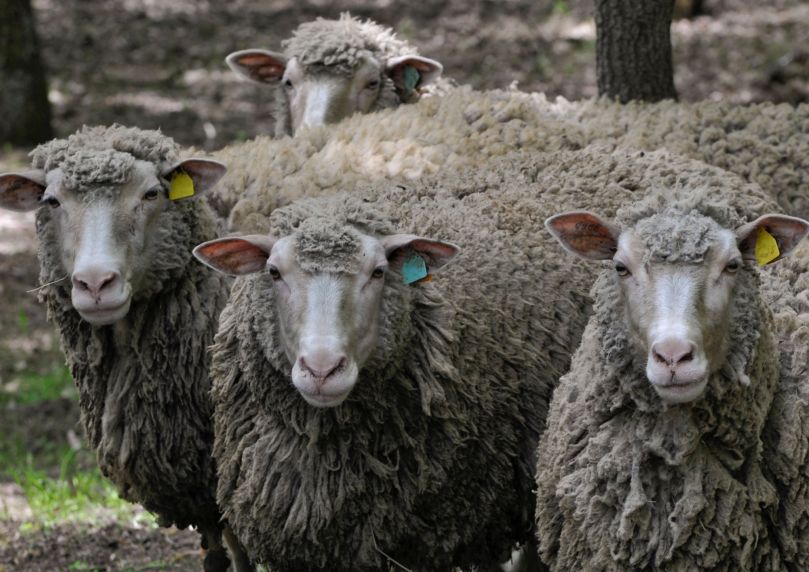
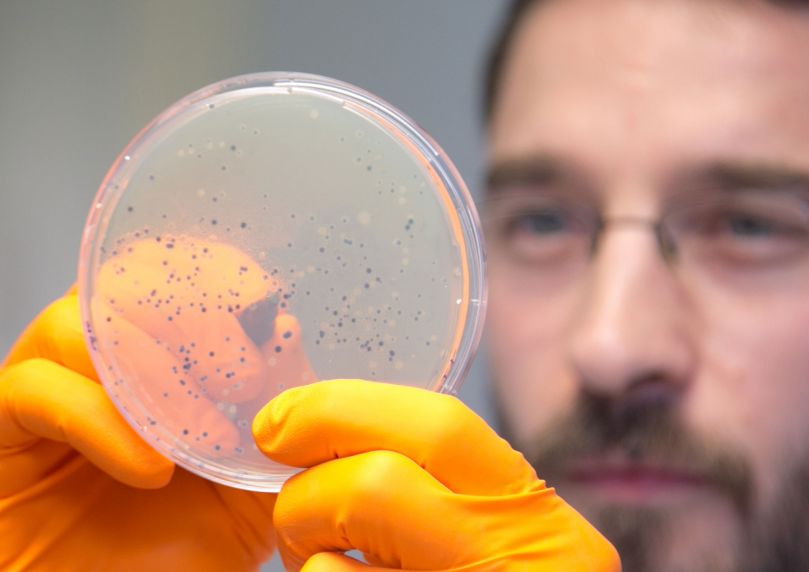
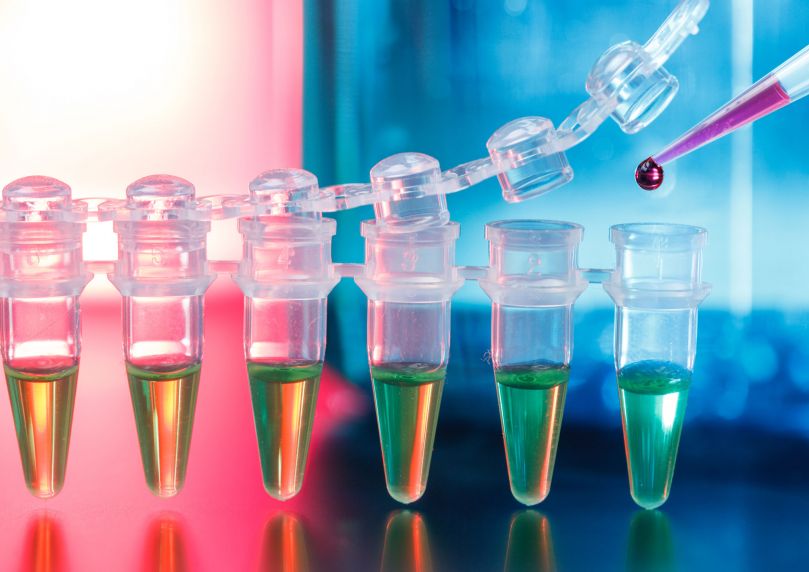
30/04/2021 News How reliable are the tests for Q fever? The Animal Q Fever Unit of ANSES’s Sophia-Antipolis Laboratory has just published a study comparing the performance of the three commercially...
30/04/2021 News ANSES, EnvA and INRAE renew two joint research units for animal diseases ANSES, EnvA and INRAE have renewed their agreement on two joint research units (UMRs): the BIPAR unit (molecular biology and parasitic immunology)...
23/04/2021 News Publication of the new dietary reference values for the vitamin and mineral intake of the French population Acquired mainly through our diet, vitamins and minerals are essential to our health, growth and body functions. ANSES is updating the dietary...
20/04/2021 News 5G: no new health risks according to the data available Population exposure to electromagnetic fields in the radiofrequencies band is changing, driven by technological progress and the emergence of new...
20/05/2021 Événement Thursday, 20 May, 2021 Scientific Encounters ANSES & ANR - Microplastics and nanomaterials: Research on environment & health Public : The degradation of plastic materials and the numerous uses of nanomaterials in everyday products have led to the release of large quantities of...
18/11/2021 Événement Thursday, 18 November, 2021 7th Scientific Day of the Institut Santé-Travail Paris-Est (IST-PE) Public : The seventh Scientific Day of the Institut Santé-Travail Paris-Est will take place on Thursday 18 November 2021. The topic of the day will be...
15/04/2021 News Accelerating the assessment of endocrine disruptors As part of France’s Second National Endocrine Disruptor Strategy (SNPE 2), ANSES has drawn up a list of substances of interest and identified a...
14/04/2021 News Zootopique, the ANSES podcast with a focus on the future Could there be a COVID-31? How is our current turbulent relationship with mosquitoes – or bees – likely to evolve in the future? What sort of...
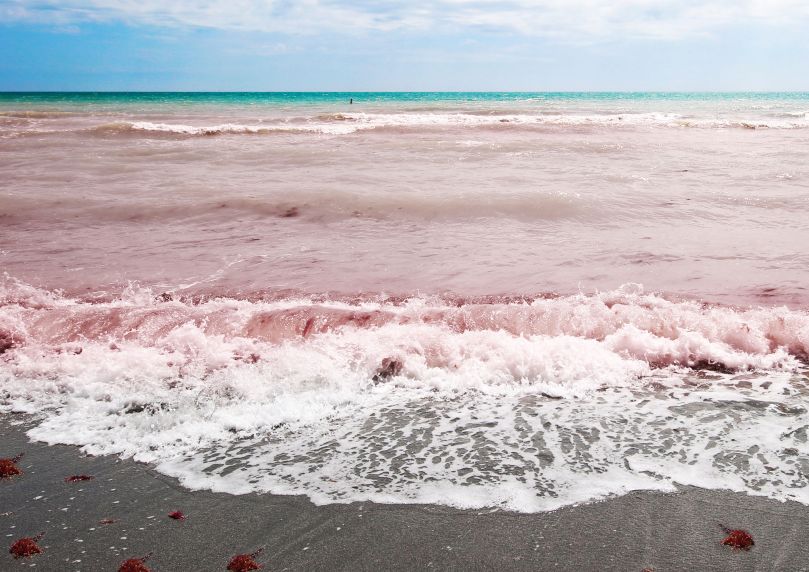
13/04/2021 News Brevetoxins in shellfish: proposal of a guideline value to protect consumers In 2018, for the first time, brevetoxins, a group of marine biotoxins, were detected in mussels in Corsica. If ingested by humans, these toxins...