


Avian influenza: human health risks and preventive measures
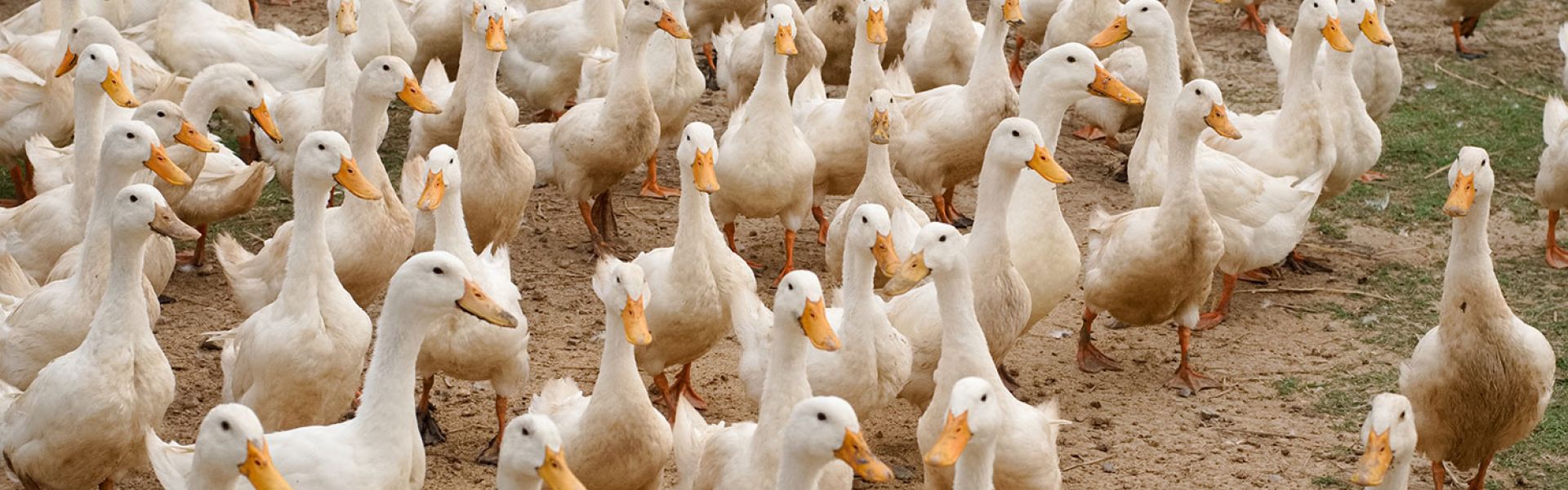
Avian influenza viruses have been circulating internationally for several years now, mainly in wild birds and domestic poultry. These viruses can occasionally be transmitted to humans, in which case they may be referred to as bird flu. Several hundred such cases have been reported around the world in recent years, but none as yet have been identified in France. Moreover, no cases of human-to-human transmission have been observed anywhere in the world.
Re-assessment of the human health risk analysis
Avian influenza viruses are currently circulating actively in Europe and around the world. The number of HPAI outbreaks on poultry farms has been rising rapidly in France (more than 60 farms affected as of 27 November) and in neighbouring countries. It has reached higher levels than those observed over the same period in the last two years. Migratory birds represent a major risk for the spread of the virus. These viruses can also infect mammals: in France, four foxes and an otter were recently found to be infected. The high rate of circulation of HPAI viruses in several different animal species in France has led to a greater risk of human exposure, making protective measures essential.
Santé publique France, ANSES and the National Reference Centre (NRC) for viral respiratory infections carried out an analysis of the risk posed to the health of French people by the HPAI viruses currently circulating in France. The level of risk was estimated to be "low" for the general population and "low to moderate" for the people most exposed, particularly those working on poultry farms.
Preventive measures on farms
The HPAI risk was raised to its highest level on 22 October, enabling reinforced biosecurity measures – such as keeping poultry indoors – to be imposed on farms. Additional measures have been put in place in the départements that are currently most affected (Vendée, Loire-Atlantique, Maine-et-Loire and Deux-Sèvres) to limit the spread of the virus within duck and turkey farms.
Mandatory vaccination, which was introduced on French farms with more than 250 ducks in October 2023, aims not only to reduce the number of HPAI outbreaks on duck farms, but also to limit viral pressure and thus decrease the number of outbreaks in other poultry species.
Close monitoring of the health of farm animals is designed to detect the disease as early as possible to enable appropriate management measures to be taken. Preventing HPAI outbreaks on farms means limiting the risk of the virus spreading to the general population.
Increased monitoring in human health
At the same time, Santé publique France is working with the Ministries of Health and Agriculture, the NRC for viral respiratory infections at the Institut Pasteur and the Hospices Civils de Lyon, and ANSES, to extend its active surveillance protocol for bird flu (SAGA) to the entire country. This focuses on people exposed to the virus, to ensure that any human cases are confirmed at an early stage and suitable management measures put in place. As a precautionary measure, all healthcare professionals have been made aware of the need to rapidly detect any human cases.
Reminder of what should be done
Professionals exposed to animals or to an environment contaminated by an avian influenza virus must keep themselves safe by wearing protective clothing, a respiratory face mask, goggles or a visor and waterproof gloves, and must wash their hands after contact.
If any symptoms – even mild ones – appear within 10 days of exposure (fever, headaches, muscle pain, coughing and shortness of breath, conjunctivitis), they should:
- immediately see a doctor, informing them about the contact with infected animals (or animals suspected of being infected), to enable the doctor to prescribe a PCR flu test;
- while waiting for the results, apply barrier measures such as wearing a mask, frequently washing hands, regular ventilation, disinfecting surfaces, etc. to avoid contaminating their environment.
Vaccinating exposed professionals against seasonal flu is strongly recommended and paid for by the French health insurance scheme. This protects professionals against the seasonal flu virus. Then, in the event of exposure to an avian virus, the risk of co-infection is limited, which helps reduce the risk of emergence of a new influenza virus, of avian origin, but that has acquired characteristics from the seasonal flu virus that facilitate human infection or human-to-human transmission.
This year, as well as professionals in the poultry and swine sectors, the invitation to be vaccinated is being extended to veterinarians, staff from the departmental directorates for the protection of populations visiting farms and people working in the SAGIR wildlife disease surveillance network. The French health insurance scheme and the central fund for the agricultural mutual insurance scheme (MSA) are responsible for sending vaccination vouchers to all these professionals.
As a reminder, people are strongly advised not to touch dead or sick wild animals. While the national and international situation calls for vigilance, the risk of human infection can be reduced. To do this, protective measures must be taken by anyone likely to be in close contact with infected birds or mammals.