



Lack of physical activity and overly sedentary lifestyles: public health priorities
Ninety-five percent of the adult population in France is exposed to a risk of deteriorated health because they do not get enough exercise or spend too much time sitting. These risks are increased when lack of physical activity is combined with an overly sedentary lifestyle. Some population groups are more exposed than others. ANSES considers that promoting lifestyle behaviours that encourage exercise and combat physical inactivity should be a priority for the public authorities.
Some categories of the population are particularly affected
Currently, only 5% of adults exercise enough for it to protect their health.
In fact, in 2016, ANSES had identified the need to combine various types and levels of activity to stay healthy:
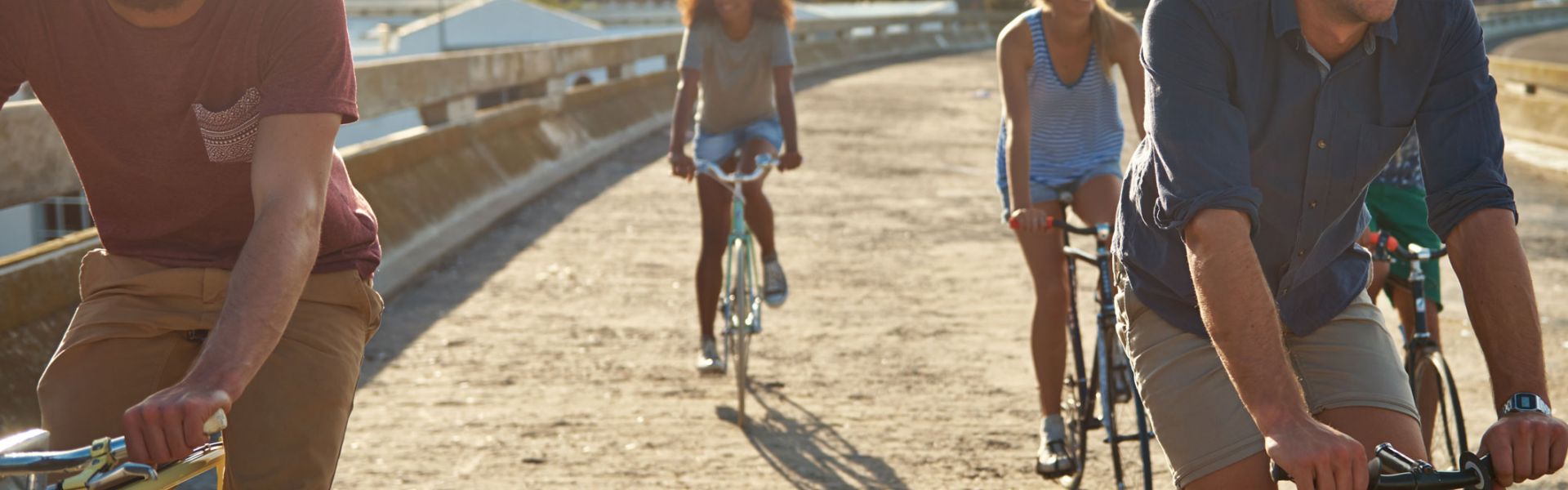
- five times a week, for 30 minutes, engage in a cardiorespiratory activity such as climbing stairs, riding a bike, running, or walking at a brisk pace;
- once or twice a week, perform a muscle-strengthening activity such as carrying a heavy load, playing tennis, swimming, or taking an aerobics class;
- two or three times a week, engage in flexibility exercises such as gymnastics, dance or yoga.
Our work found that women are less likely to get enough exercise. Indeed, 70% of them fall short of all the activity levels identified as being necessary for good health, versus 42% of men.
Concerning sedentary behaviours, sitting for more than eight hours a day poses a health risk. Adults with a low level of education and those under the age of 45 are the most affected.
Even higher risks with combined exposure
In France, more than one-third of adults combine a high level of sedentary behaviour with insufficient physical activity. These individuals therefore have higher rates of mortality and morbidity.
The very organisation of our lifestyles needs to be reconsidered: whether in public spaces, by leaving more room for active mobility modes such as cycling or walking, at the workplace, by promoting sport and limiting physical inactivity, or in the school system, by increasing the space and time dedicated to physical and sporting activities
This study was undertaken following the alert issued at the end of 2020 concerning low levels of physical activity in young people and was in line with work previously carried out by the Agency on the topic, in particular that from 2016 on updating the guidelines for physical activity and sedentary behaviour and that from 2020 conducted during the lockdown.