



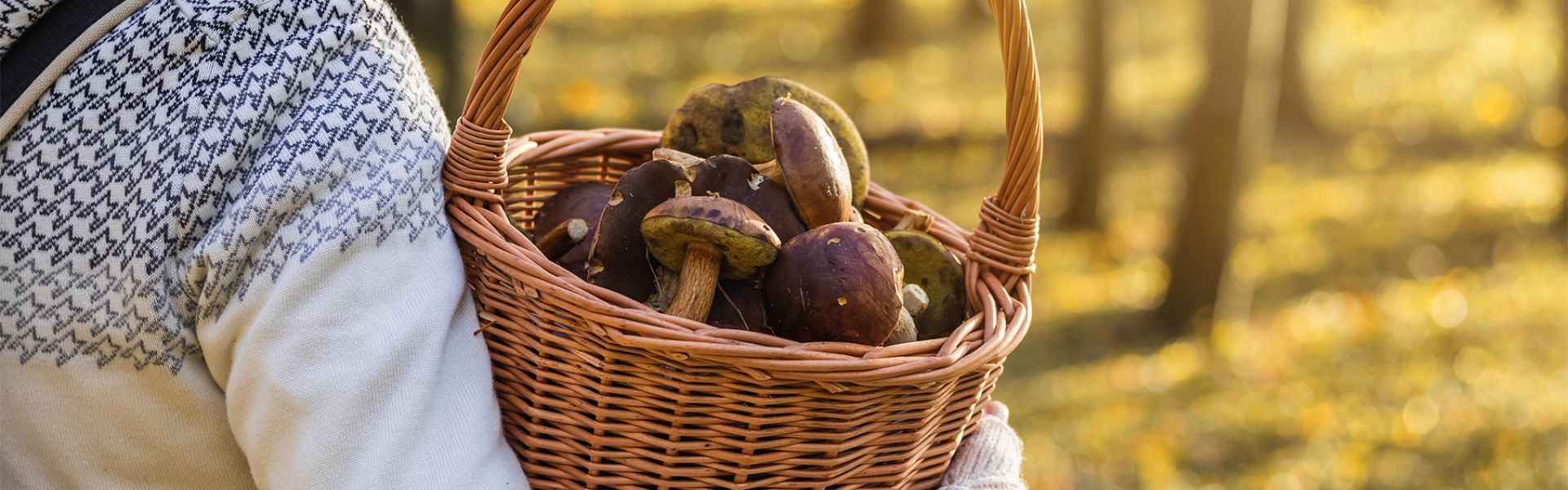
Mushroom picking: beware of the risks of poisoning
An increase in cases in September
Since 1 July 2025, approximately 500 cases of poisoning linked to mushroom picking and consumption have already been reported by poison control centres. A clear increase in cases has been observed since the beginning of September, with a peak expected in October.
Poisonings are mainly due to confusion between edible and poisonous species, improper storage of mushrooms, or consumption of mushrooms in poor condition, undercooked or eaten in very large quantities.
Frequent and potentially dangerous cases of confusion
Analysis of data from 2024 reveals that, between 1 July and 31 December, 1,363 people with symptoms contacted a poison control centre after consuming mushrooms in mainland France. While most cases of poisoning were mild, 3.1% were severe, including three deaths and three cases of chronic kidney failure. The symptoms observed were mainly digestive: abdominal pain, nausea, vomiting and diarrhoea.
Confusion between the girolle or chanterelle mushroom (Cantharellus cibarius) and the Jack-o’-lantern mushroom (Omphalotus olearius) was among the most frequent for the 2024 season. The latter causes digestive disorders that can be severe and lead to dehydration. As in previous years, the most serious cases of confusion often involved the death cap mushroom, which can be mistaken for a parasol mushroom. The death cap mushroom is responsible for hepatitis, which can sometimes be fatal.
What are the best ways to avoid poisoning?
For safe picking and consumption, ANSES recommends:
- Only picking mushrooms that you know perfectly well: some highly toxic mushrooms closely resemble edible species.
- Having your harvest checked by a chemist or mycology association if in doubt, including mushrooms given to you by someone else. If you have any doubts about the identification of any of the mushrooms you have picked, do not consume them.
- Never give picked mushrooms to young children.
- Do not rely on smartphone recognition apps, as there is a high risk of misidentification.
- Always cook wild mushrooms for at least 20 minutes before consumption.
See our recommendations and best practices to adopt before, during and after mushroom picking.