



Risks of dietary exposure to chlordecone in the French Caribbean
What is chlordecone and what are its effects?
This substance is toxic to humans. Toxicological studies on animal models and epidemiological studies have shown adverse effects on the nervous system, reproduction, the hormonal system and the functioning of certain organs (liver, kidney, heart, etc.). The Inserm expert report on pesticides and health published in 2021 concluded that there is a strong presumption of a link between chlordecone exposure in the general population and the risk of prostate cancer.
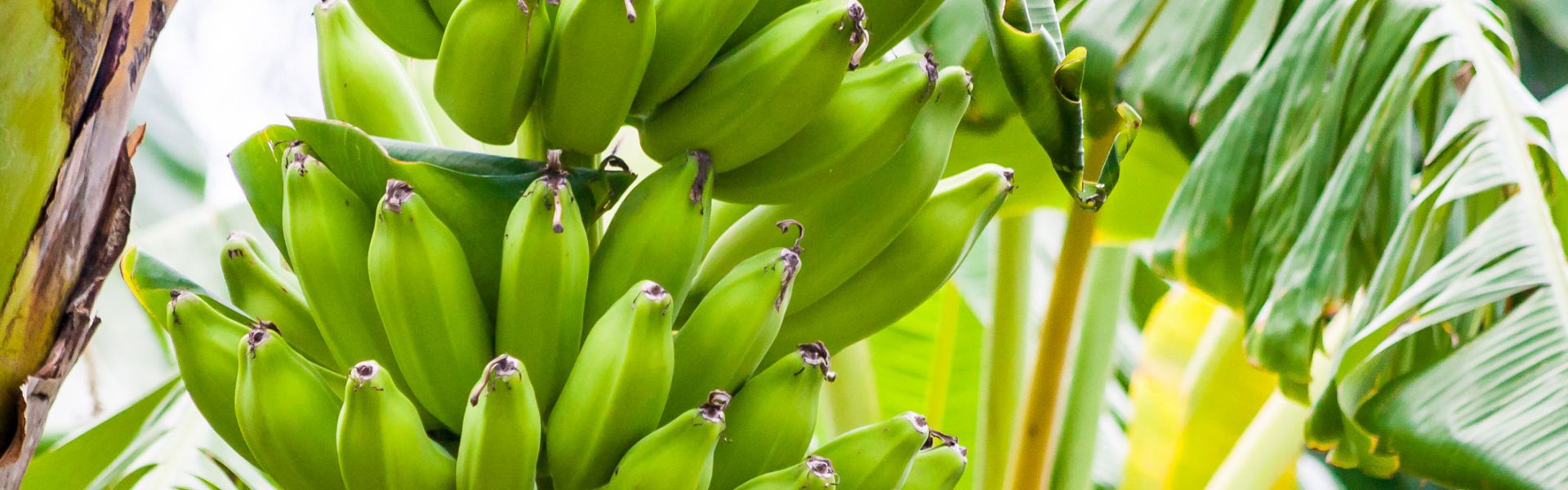
In the areas where it was used over the twenty-year period, chlordecone has contaminated soil, river water and the marine environment. It can therefore be found in certain plant and animal products, as well as in spring water that has not been treated with activated carbon. Many local foods – primarily root vegetables, fish, shellfish and eggs from backyard poultry flocks – may be contaminated, especially in areas known to be affected due to the former presence of banana plantations.
Chlordecone was not found in the air during the national exploratory campaign to measure pesticides in the air. Diet therefore remains the main route of exposure for the populations of Guadeloupe and Martinique.
Which populations are exposed to chlordecone in the French Caribbean?
In the Kannari study conducted by ANSES and Santé Publique France in 2013-2014, chlordecone was detected in more than 90% of individuals in the general population. Moreover, the vast majority of banana plantation workers in the French Caribbean were exposed to chlordecone during the period when this pesticide was used (77% in 1989). According to Santé Publique France (2018), since 2003, there has been a decline in internal chlordecone concentrations for most of the population, but levels in the individuals with the highest exposure have not fallen.
According to the Kannari study, the populations most exposed to chlordecone are:
- in general, people living in areas known to be contaminated;
- consumers of freshwater fish, or of seafood products acquired from recreational fishing or via informal channels;
- consumers of poultry and eggs from domestic flocks in areas known to be contaminated;
- consumers of root and tuber vegetables from family gardens in areas known to be contaminated.
The Kannari study was mainly based on the results of surveys and studies of local eating habits and food contamination levels, as well as on all the available scientific data.
What are blood chlordecone levels?
These relate to the concentration of chlordecone measured in blood at a given time.
The value of this measurement reflects exposure to chlordecone recently or in the past few years.
If chlordecone is found in the blood, it does not necessarily mean that you are or are likely to become ill. It is evidence of exposure to chlordecone. Actions to reduce this exposure are necessary, especially if the measured level exceeds the risk thresholds.
To understand the risks associated with chlordecone exposure, other parameters should be taken into account such as the duration, level or source of exposure.
How does ANSES assess the risks associated with exposure to chlordecone through food?
For many years, the Agency has been involved in assessing the risks posed by chlordecone for the French Caribbean population.
In order to estimate the levels of risk due to chlordecone exposure, ANSES has determined toxicity reference values and maximum residue limits in food.
Following the publication of new scientific studies, in 2021 the Agency proposed new, more protective toxicity reference values (TRVs).
- The chronic external toxicity reference value
This is the amount of chlordecone ingested daily via food over a long period of time below which the risk of adverse effects in the population is considered negligible. This value is defined on the basis of toxicological and epidemiological studies.
In 2021, ANSES recommended lowering the external TRV from 0.5 to 0.17 µg per kilo of body weight per day. This new TRV takes into account the most recent studies suggesting toxic effects on reproduction in rodents exposed to moderate doses of chlordecone.
- The chronic internal toxicity reference value
This is the concentration of chlordecone in blood below which, over a long period of time, the risk of adverse effects in the population is considered negligible. As with the chronic external TRV, if this value is exceeded on a long-term basis, the risk of adverse effects in the population cannot be ruled out. This value is used to
These TRVs are tools for analysing data on dietary exposure and internal concentrations in the population. They provide an estimate of the proportion of the population that is overexposed and can be used to identify at-risk consumption profiles, i.e. people who, because of their dietary habits, have excessively high exposure to chlordecone. This is useful for identifying which foods are most problematic, which contribute most to high exposure, and therefore which ones should be the focus of special attention.
What are the risks associated with exposure to chlordecone?
Using the new toxicity reference values (TRVs) developed in 2021, ANSES carried out a new risk assessment in late 2022.
The experts compared the TRVs with the data on blood chlordecone concentrations and dietary exposure from the Kannari study (2013-2014). They found that part of the French Caribbean population is at risk of exceeding the toxicity reference values for chlordecone.
Among the 95% of the adult population of Guadeloupe and the 92% of the population of Martinique with blood chlordecone levels exceeding the limit of detection (0.02 µg per litre), 14% in Guadeloupe and 25% in Martinique have concentrations above the chronic internal TRV. Efforts therefore need to be stepped up to reduce people's exposure.
How can dietary exposure to chlordecone be limited?
Consumption of certain food products from informal supply channels (home production, gifts, purchases from roadside stalls) generally contributes to greater exposure than that associated with food obtained from regulated channels (supermarkets and hypermarkets, markets, grocery stores).
ANSES has therefore issued the following recommendations to limit dietary exposure to chlordecone:
- Limit the consumption of fishery products acquired through short supply chains (recreational or subsistence fishing or purchases from roadside vendors) to no more than four times a week.
- Do not consume freshwater fishery products from areas where fishing is prohibited by prefectural order.
- Limit the consumption of roots and tubers from family gardens in areas known to be contaminated to no more than twice a week. On the other hand, unlimited amounts of any fruit from family gardens can be consumed.
In its new expert appraisal, ANSES concluded that compliance with all three recommendations is still an effective way to reduce the health risk to the population, and these recommendations fit well into the French Caribbean food culture. Moreover, three quarters of the French Caribbean population already comply with them.
In addition, ANSES stresses the importance of limiting the contamination of food produced in gardens, especially eggs. For this, it recommends increasing membership and participation in the JAFA family garden programmes run by the Regional Health Agencies. These programmes monitor concentrations of chlordecone in soil and provide personalised advice on suitable farming practices for family gardens. Good practices include isolating animals from contaminated soil as much as possible and giving them uncontaminated feed.
In early 2021, ANSES launched the ChlorExpo study on dietary exposure of the French Caribbean population to chlordecone. It aims to take into account this population's food procurement, preparation and cooking practices. New practical recommendations for limiting exposure, based mainly on food preparation and cooking methods, may therefore be issued in addition to those presented here. The results of the study are expected in 2024.
Specific research work on chlordecone
The ANSES Laboratory for Food Safety is involved in implementing the ChlorExpo study, and is also conducting various research projects on chlordecone. In recent years, it has focused on the distribution of the compound in bovine tissue (muscle, fat, liver, blood serum) and the development of new measurement methods in animals. The laboratory is also developing new analytical procedures to detect and measure chlordecone levels in livestock more quickly before slaughter.
In addition, ANSES researchers have studied the effects of different meat and offal preparation processes on chlordecone contamination. As part of the AlimOmic project, they are currently looking more closely at the effects of cooking, specifically microwave cooking, which could reduce the levels of chlordecone in food of animal origin.
Furthermore, the effects of chlordecone on human health are being studied by ANSES researchers. In collaboration with the Laboratory for Food Safety, a team from the ANSES Lyon Laboratory specialising in the study of neurodegenerative diseases is carrying out research on the effects of chlordecone on the brain.
What about the link between occupational exposure to chlordecone and prostate cancer?
As part of its expert appraisal tasks on occupational diseases, the Agency has studied the links between exposure to pesticides – including chlordecone – and prostate cancer. In July
Following its expert appraisal, an occupational disease table was created for the agricultural social security scheme for prostate cancer related to pesticide exposure. This table enables