


Wasp, hornet and bee stings: an overview of the situation since 2014
No upward or downward trend in the number of poisonings over the 10-year period
At the request of the Directorate General for Health, ANSES and Santé publique France analysed trends in poisonings caused by stings from insects of the Hymenoptera order, mainly wasps, hornets and bees. To do this, ANSES used data on calls to poison control centres between 2014 and 2023. In its report, it also included a study carried out by Santé publique France that examined cases where medical treatment had been sought during the same period. This was an analysis of emergency department visits, hospitalisations and deaths caused by Hymenoptera stings.
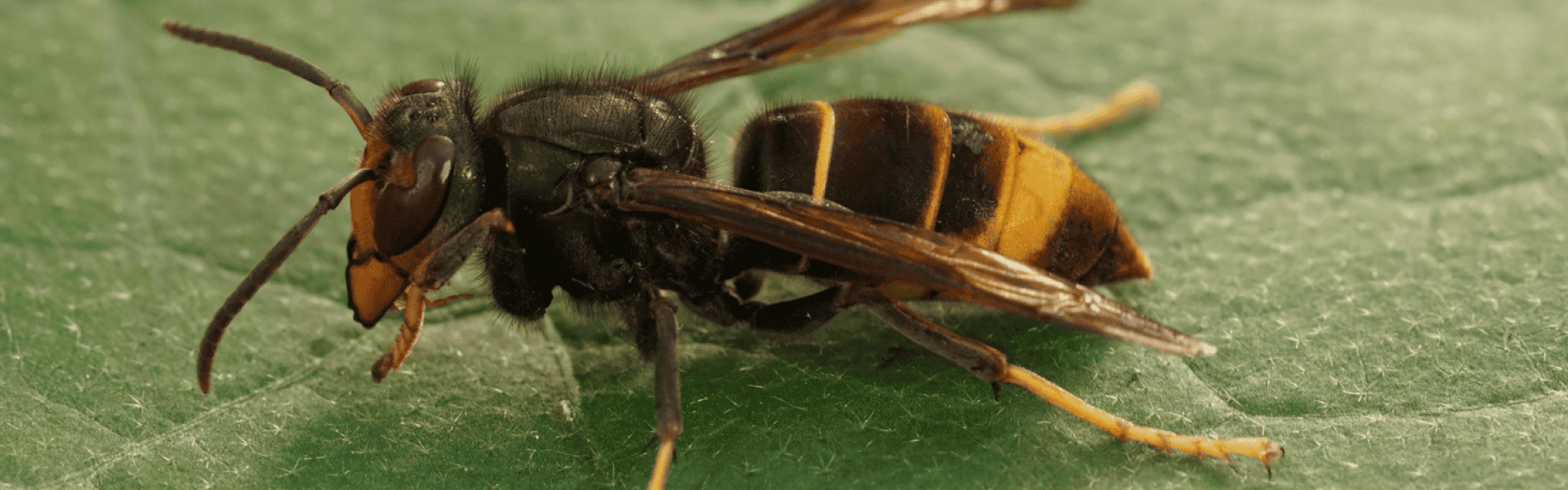
All the medical data converged, showing the same variations in the number of stings each year, with seasonal peaks observed in July and August. Wasps were the main culprits (37% of cases), followed by hornets of all species (25%) and bees (19%).
Serious poisonings are caused by allergic reactions and often by hornet venom
Among the calls to poison control centres for Hymenoptera stings, 1.5% of poisonings were serious and potentially life-threatening, sometimes resulting in death. These serious cases were more likely to affect people over the age of 60. Hives, throat swelling and a sudden drop in blood pressure are symptoms that can be fatal in the absence of immediate medical attention. In nearly half of all cases (48%), a single sting was enough to cause serious poisoning. There are also risks in the event of multiple stings, in the mouth or on other mucous membranes. While they only accounted for 25% of stings, hornets were responsible for 38% of serious cases.
Unlike bees, but like wasps, hornets do not lose their stingers when they sting; they can therefore sting again and inject venom each time. Their stingers, which can penetrate thick materials such as rubber boots and leather gloves, are longer than those of wasps and cause deeper stings.
What should you do if you find a hornet, wasp or bee nest in your home or garden?
- Inform other members of your household and neighbours to prevent them from approaching the nest.
- Keep a safe distance of 5 metres from the nest. Do not attempt to destroy it yourself.
- Do not set traps (plastic bottles with syrup, etc.) as these will kill other insects that are essential for biodiversity and will have virtually no impact on the nest in question.
- Report the nest to your local town hall or directly to the organisation responsible for controlling this species in your département. If you find Asian hornets, you can also report them on the website of the National Inventory of Natural Heritage: Frelon Asiatique » Signaler – informations
What should you do if you are stung by a hornet, wasp or bee?
- If you experience a reaction in the form of hives, a swollen tongue, difficulty breathing, discomfort, chest pain, etc., immediately dial 15, 112 or 114 (for people with impaired hearing). Do the same thing if you are stung in the mouth or throat, if you are stung multiple times or if local symptoms worsen.
- If you have a known allergy to Hymenoptera venom and are showing signs of a severe allergic reaction (anaphylactic shock), use an adrenaline auto-injector if you have one and dial 15 or 112 (or 114).
- For other signs of poisoning, call a poison control centre (24/7 emergency number: +33 (0)1 45 42 59 59) or consult a doctor.
Adapting to the presence of invasive hornets
The Asian hornet, which is native to Asia (hence its name), was accidentally introduced in the Lot-et-Garonne département in 2004. Over the next 20 years, it spread throughout mainland France. With no natural predators, the Asian hornet thrives by feeding on other insects, particularly honey bees. It is therefore essential that we learn to adapt and coexist with this species. The French Act of 15 March 2025 provides for the creation of a national control plan, the regulation of hornet trapping and compensation for beekeepers.
Protecting the population, particularly in the presence of nests, remains essential to prevent poisoning.