



ANSES proposes classifying 1,1,3,3-tetramethylbutyl peroxyneodecanoate as toxic for reproduction in the European CLP Regulation
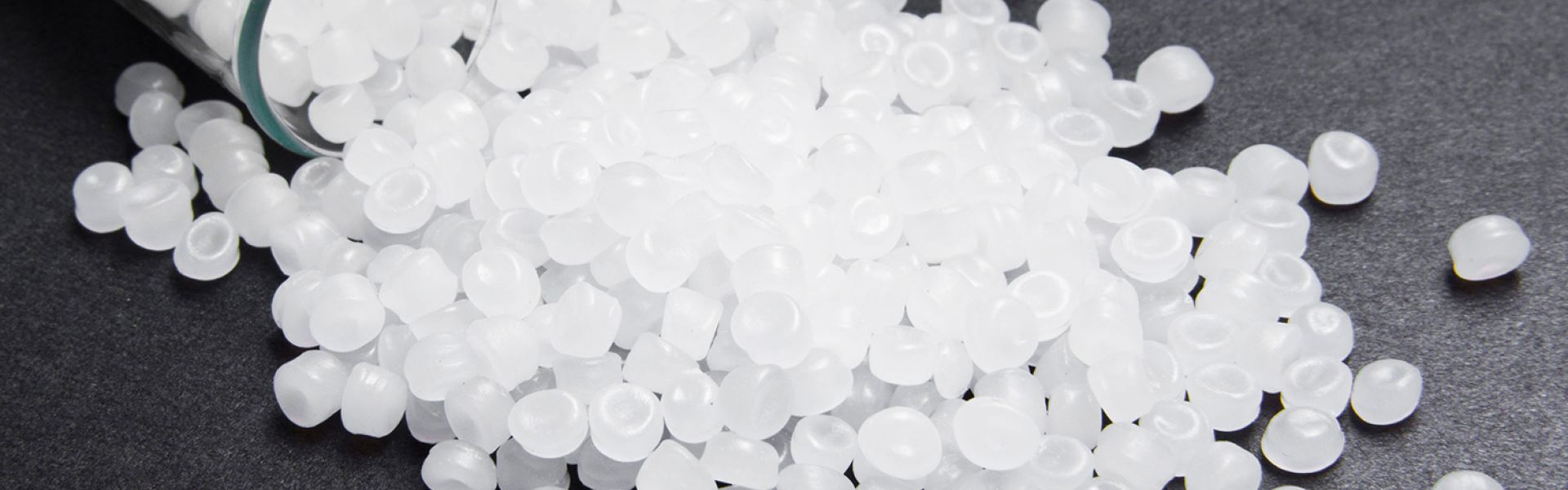
1,1,3,3-tetramethylbutyl peroxyneodecanoate is mainly used in polymerisation processes for the formulation, reconditioning or manufacture of rubber and plastic products.
Adverse effects on sexual function, fertility and foetal development
Severe effects on sperm quantity and quality were observed in several studies on rats. These effects led to a sharp reduction in fertility, as demonstrated in functional studies involving mating and the offspring generation.
Given the severity of the effects, their concordance and their relevance to humans, a Category 1B classification was proposed for toxicity on sexual function and fertility.
In addition, a reduction in the auditory startle response was observed in male pups exposed to 1,1,3,3-tetramethylbutyl peroxyneodecanoate in utero and then during lactation, suggesting impaired development of the central nervous system. In the absence of other signs of developmental neurotoxicity, Category 2 was proposed for developmental toxicity.
ANSES is therefore proposing that 1,1,3,3-tetramethylbutyl peroxyneodecanoate be classified and labelled as follows under the CLP Regulation:
Reproductive toxicity – Category 1B (H360Fd: May damage fertility. Suspected of damaging the unborn child).
If this classification proposal is accepted at European level, 1,1,3,3-tetramethylbutyl peroxyneodecanoate would then be identified as a CMR (carcinogenic, mutagenic, toxic for reproduction) substance due to its reprotoxic effects.
Harmonised classification proposal submitted for public consultation
The harmonised classification proposal for 1,1,3,3-tetramethylbutyl peroxyneodecanoate has been submitted for public consultation on ECHA's website until 31 October 2025. The aim of this phase is to give all stakeholders the opportunity to formulate comments, provide additional scientific arguments or share any relevant information they may have about the substance. Contributions can be sent via a dedicated form on the ECHA website.
At the end of this consultation stage, ANSES will respond to the comments received. The initial proposal, comments and ANSES's responses will then be submitted to ECHA’s Committee for Risk Assessment (RAC), which will issue an opinion on the classification of 1,1,3,3-tetramethylbutyl peroxyneodecanoate.
Based on this opinion, the European Commission will draft regulatory texts allowing the proposed classifications to be included in the CLP Regulation.
The CLP Regulation (Classification, Labelling and Packaging of chemicals)
The CLP Regulation (Regulation (EC) No 1272/2008) is the legislation in force in the European Union on the classification, packaging and labelling of chemicals. It aims to protect workers, consumers and the environment from the risks associated with chemical products.
It defines the rules for identifying the potential hazards of a substance or substance mixture due to its physico-chemical properties and its effects on human health and the environment.
This Regulation defines how these substances and mixtures must be classified, labelled and packaged.
Classification entails mandatory labelling, based on pictograms and hazard statements, designed to inform users. This Regulation may also have an impact on other European regulations, leading to the prohibition or substitution of certain substances or mixtures depending on their hazard characteristics. ECHA is responsible for implementing the CLP Regulation.