


Ciguatera in the French Caribbean: more information needed on the fish species that can cause this poisoning
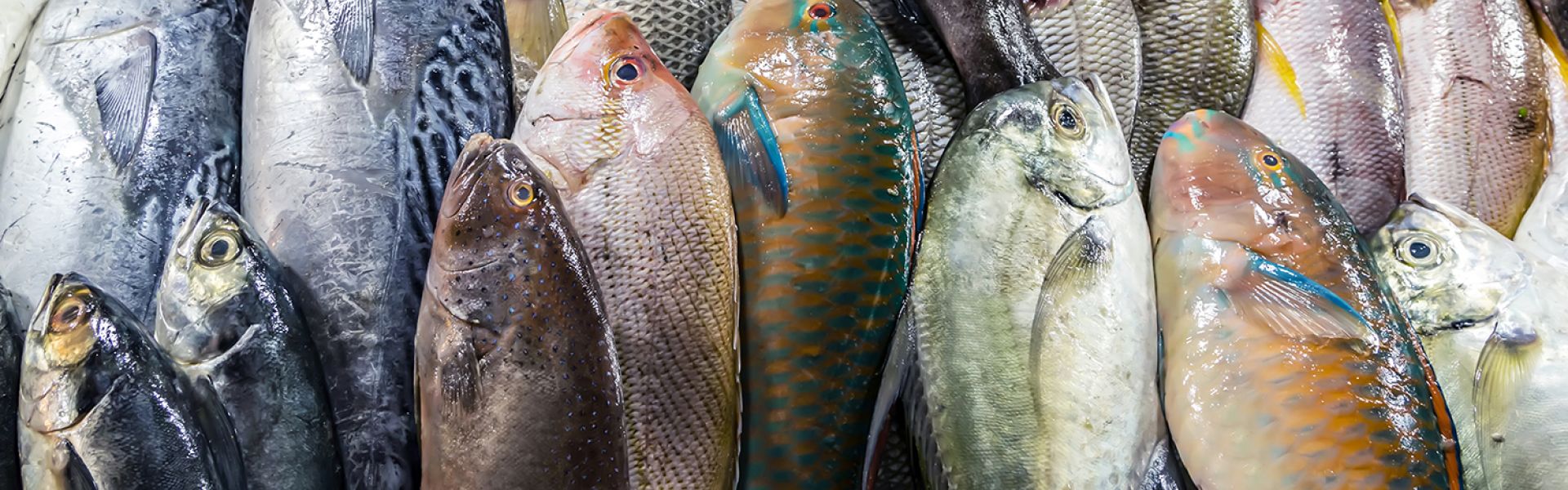
The ciguatoxins responsible for ciguatera are resistant to cooking and freezing and do not affect the taste of fish. They are produced by microscopic algae found in coral reefs. These toxins are ingested by small herbivorous fish, which in turn are eaten by carnivorous fish (jacks, groupers, moray eels, barracudas, etc.) in whose bodies they accumulate. They can also be found in marine molluscs.
How do I know if I have got ciguatera?
The first signs of poisoning are usually digestive: abdominal pain, nausea, vomiting, diarrhoea, etc., and occur a few minutes to a few hours after eating contaminated fish. They are quickly followed by neurological disorders that can last for several weeks: tingling and itching (hence the name la gratte) in the hands, feet and face, reversal of hot and cold sensations, muscle pain and profuse sweating. This may be accompanied by a slowing of the heart rate and a drop in blood pressure, which can last for three or four days.
If symptoms develop following consumption of tropical fish, it is advisable to consult a healthcare professional (and if possible, to keep any meal leftovers for analysis).
A total of 67 fish species posing a risk of ciguatera in the French Caribbean
Fish contaminated by ciguatoxins are mainly found in tropical and subtropical waters around the world. The French overseas territories are therefore affected, in particular the islands of Guadeloupe and Martinique in the French Caribbean, as well as New Caledonia and French Polynesia.
The Directorate General for Food (DGAL), in conjunction with ANSES's National Reference Laboratory for Marine Biotoxins, identified cases of ciguatera occurring in the French Caribbean between 2002 and 2021. Fish samples were taken to screen for ciguatoxins.
These samples were also tested by the Marseille laboratory of the Joint Laboratory Service (SCL), to identify – using DNA analysis – the species of fish involved in the poisoning. The data collected were given to ANSES to enable it to determine the species posing a risk of ciguatera in the French Caribbean.
The expert appraisal work carried out on the analysed fish samples associated with the human poisoning cases, supplemented by data from the scientific literature, led to a list being drawn up of 67 fish species posing a risk of ciguatera in the French Caribbean. These species mainly belong to the grouper, jack, amberjack and snapper families.
The Agency recommends that this information be widely disseminated to consumers, whether they are residents or holidaymakers, and to fishers.
What can be done to avoid poisoning?
- When buying fish, check with the fishmonger or fisher to avoid eating a high-risk species
- If in doubt about the species of fish, do not eat it
- Avoid the most toxic parts: head, viscera, offal
What should be done in the event of poisoning?
- Call a poison control centre or see a doctor.
- In the event of heart problems (drop in blood pressure, slowing of the heart), call 15 (in France) immediately, or 112, or 114 for the hearing impaired.
- Do not take any medicines without medical advice: some can make the symptoms worse.
- Keep leftovers of meals or fish in the freezer for toxin analysis.
- After an initial poisoning episode, certain foods and drinks can reactivate the symptoms: seek advice from a poison control centre.