


Lumpy skin disease: keeping a close eye on this viral disease in cattle
A viral disease affecting cattle
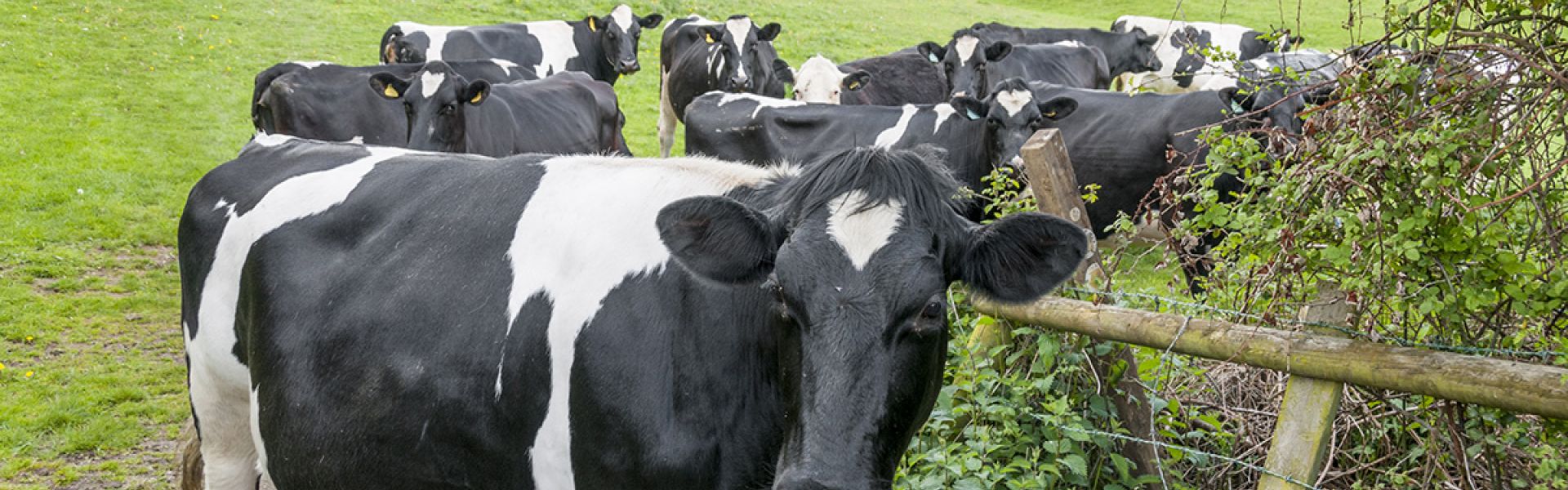
Lumpy skin disease (LSD) is a viral disease that only affects cattle. It is caused by a virus in the family Poxviridae, similar to those that cause sheep pox and goat pox. The main signs of the disease are the appearance of nodules on the skin of infected animals. Other symptoms may also appear, such as fever, mouth sores and a drop in milk production. Serious cases can sometimes lead to the death of the animal.
LSD is not transmissible to humans, whether through contact with sick animals or the consumption of products from these animals. It therefore presents no danger to public health.
Now found in Europe
Historically present in sub-Saharan Africa, recent decades have seen the spread of LSD beyond the African continent. Between 2015 and 2016, outbreaks were detected for the first time in south-eastern Europe, particularly Greece, Bulgaria and the Balkans. Thanks to a strategy to tackle outbreaks based on depopulation coupled with a vaccination campaign, the disease was rapidly contained in this region.
In France, LSD was first detected on 29 June 2025, shortly after cases were reported in Italy.
How is the disease transmitted?
The LSD virus is mainly carried by biting insects, such as certain species of flies or mosquitoes. It can also be spread by direct contact between animals, but this is only a secondary route. In addition, sick or incubating animals can contaminate their environment (equipment, vehicles, etc.).
Hot, humid conditions promote the proliferation of insect vectors, increasing the risk of spread.
What impact does this have on cattle farms?
Although mortality is generally low, LSD can have a significant economic impact on farmers:
- lower milk production;
- weight loss in animals;
- abortions;
- damage to hides and skins;
- trade restrictions in the event of a declared outbreak;
- loss of livestock through preventive slaughter.
What control and prevention measures are being taken?
Several measures are being taken to limit the spread of LSD:
- Culling of infected herds: European regulations require depopulation measures involving the total slaughter of contaminated herds in order to prevent the spread of the virus.
- Vaccination: effective vaccines are available to protect disease-free herds. If the disease is introduced into a country, vaccination in the restricted zone is essential for controlling it.
- Control of the insect vectors: limiting insect populations (insect eradication, management of breeding sites) is an important supplementary measure.
- Health surveillance: regular veterinary monitoring and a good understanding of the clinical signs enable prompt detection of suspected cases.
- Biosecurity measures: cleaning and disinfection of equipment, restrictions on animal movements, quarantine in the event of suspicion.
ANSES’s role
ANSES plays a key role in epidemiological surveillance and assessment of the risks associated with LSD, in conjunction with CIRAD's National Reference Laboratory. It provides scientific support to the public authorities and works with other stakeholders to coordinate the epidemiological surveillance platform for animal health (ESA).
It also assists the European authorities and scientific partners in monitoring development of the disease and recommending the best prevention and control strategies.