


A “One Health” collaborative model in response to West Nile virus
“In October 2022, the Gironde Departmental Directorate for the Protection of Populations contacted us because three horses in the département had recently been found infected with West Nile virus” explains Gaëlle Gonzalez, in charge of the National Reference Laboratory for West Nile encephalitis (at the ANSES Laboratory for Animal Health). “This was the first time the virus had been detected in France outside Mediterranean regions”.
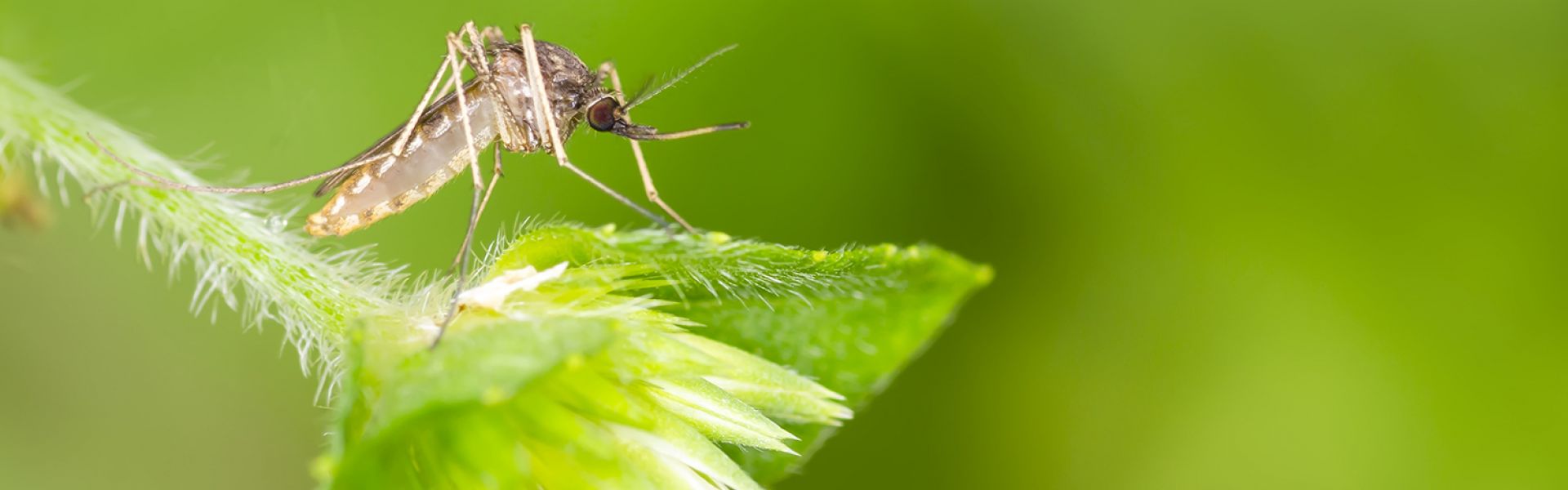
West Nile virus is transmitted by mosquitoes of the genus Culex. It mainly infects birds but can also affect humans and horses. In 80% of cases, infected humans and horses do not show any symptoms. In 20%, flu-like symptoms may occur, while in 1% of cases, a potentially fatal neurological form may develop.
An unprecedented multidisciplinary response
Following the alert, a network of local stakeholders was created, bringing together professionals in the fields of human health, animal health and the environment. A veterinarian specialising in equine medicine helped collect 500 samples from stables between March and April 2023. “We targeted the area where the first cases had been identified but also looked further upstream in the Gironde and around the estuary, where the risk associated with mosquitoes was potentially higher. The analyses detected the virus in several horses – all of which were asymptomatic – not only near the first three cases but also further north in the département, near Charente-Maritime” specifies Gonzalez. Mosquito traps were also set up in these same areas. The results showed that 75% of the mosquitoes captured were carrying the virus. Another virus similar to West Nile, Usutu virus, which is transmitted in a similar way, was also detected.
Enhanced preventive measures to protect the population
These early warning signals enabled the French High Council for Public Health to put preventive measures into place in July, before the first human case was detected in Charente-Maritime. One of the main measures involved extending screening for the virus genome in blood bags intended for transfusion by the French Blood Agency. Previously, this measure had only been systematically applied in Mediterranean regions following the diagnosis of a symptomatic human case. It was extended to Gironde and Charente-Maritime. Unlike with infections caused by mosquito bites, transmission of West Nile virus through blood transfusions frequently causes the severe neurological forms, in 70% of cases.
In parallel, local animal and human health professionals, as well as hunters, members of the French League for the Protection of Birds and employees of the French Biodiversity Agency were made aware of how to recognise the clinical signs of the disease and participate in its surveillance. The Nouvelle-Aquitaine Regional Health Agency, Santé publique France, the Regional Council and the city of Bordeaux all contributed to this awareness-raising among professionals and the general public.
“This is the first time we’ve set up such a multidisciplinary network in France to tackle West Nile virus. Our One Health approach, developed in conjunction with local decision-makers, has enabled us to anticipate risks to the population. We now want to roll it out to other regions, adapting it to the specific characteristics of each area. This is the aim of the Instead project, which is currently in progress. Our research could lead to recommendations to better prevent and respond to emerging epidemics” concludes Gonzalez. This multidisciplinary collaboration appears all the more essential as the virus continues to circulate in France: the first two native human cases were confirmed in the Ile-de-France region this past August.